Introduction
Spiti Valley, often called the “Middle Land,” is one of India’s most extraordinary mountain destinations. Located in Himachal Pradesh, this cold desert valley sits between India and Tibet and offers dramatic landscapes, ancient monasteries, remote villages, winding roads, and a sense of peace that is difficult to find elsewhere. Unlike crowded hill stations, Spiti feels raw, quiet, and adventurous. A journey here is not simply a vacation; it is an opportunity to slow down, connect with local culture, and experience the Himalayas in their most rugged form.

Best Time to Visit Spiti Valley
The ideal time to visit Spiti Valley depends on the kind of experience you want. For most travelers, May to October is the easiest period because roads are generally more accessible and temperatures are comparatively comfortable. June to September is especially popular for road trips, sightseeing, and village exploration.
Winter transforms Spiti into a spectacular snow-covered landscape, but heavy snowfall can make travel challenging. Roads may close, temperatures can drop significantly, and some accommodations and services become limited. Travelers visiting in winter should prepare carefully and confirm road conditions before departure.
How to Reach Spiti Valley
Spiti can be approached mainly through two routes. The Shimla-Kinnaur route is longer but usually offers a gradual change in altitude and remains accessible for much of the year. This route passes through places such as Narkanda, Kalpa, Nako, and Tabo before reaching the heart of Spiti.
The Manali route is more dramatic and adventurous. It generally opens during the warmer months and crosses high mountain passes, including Kunzum Pass. The route offers unforgettable views, but altitude, weather, and road conditions can make the journey demanding.
For a safer and more comfortable trip, avoid rushing. Spend time acclimatizing, stay hydrated, and keep your itinerary flexible because mountain weather can change quickly.
Top Places to Explore
Kaza is the main town and the practical base for exploring Spiti Valley. It has hotels, homestays, cafes, fuel facilities, and shops, making it a convenient starting point for nearby attractions.
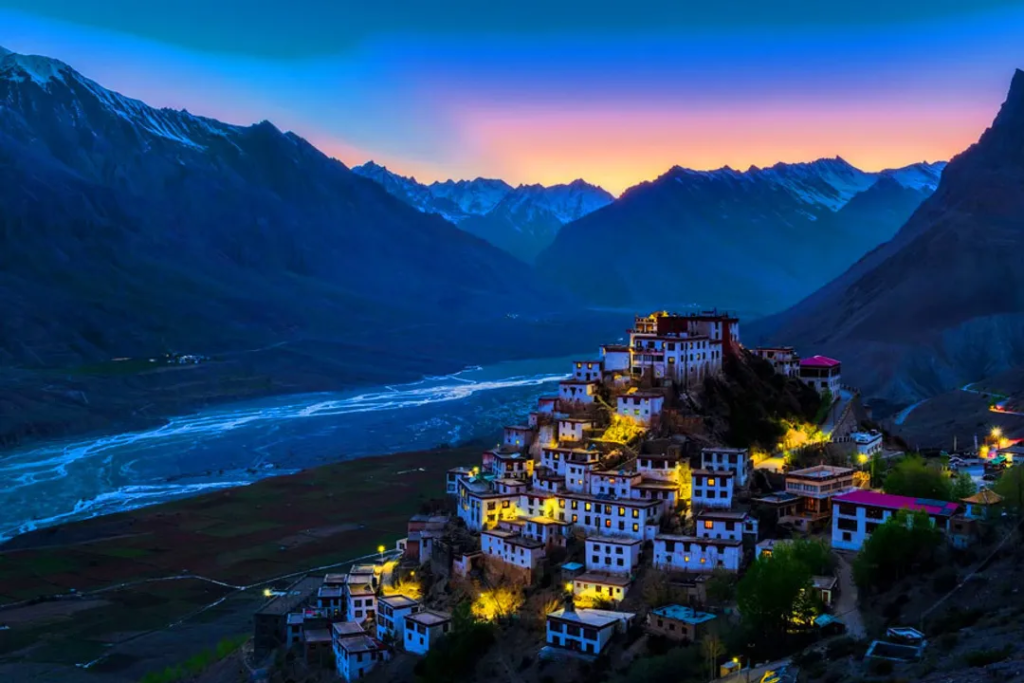
Key Monastery is one of Spiti’s most iconic landmarks. Perched dramatically on a hill, this centuries-old Buddhist monastery offers spectacular views and a glimpse into the region’s spiritual traditions.
Kibber is another popular village known for its high-altitude setting, traditional homes, and surrounding mountain scenery. Nearby Chicham Bridge provides an impressive viewpoint and connects remote settlements across a deep gorge.
Tabo is famous for its ancient monastery, often regarded as one of the oldest continuously functioning Buddhist monasteries in India. Its murals, meditation caves, and peaceful atmosphere make it an essential stop.
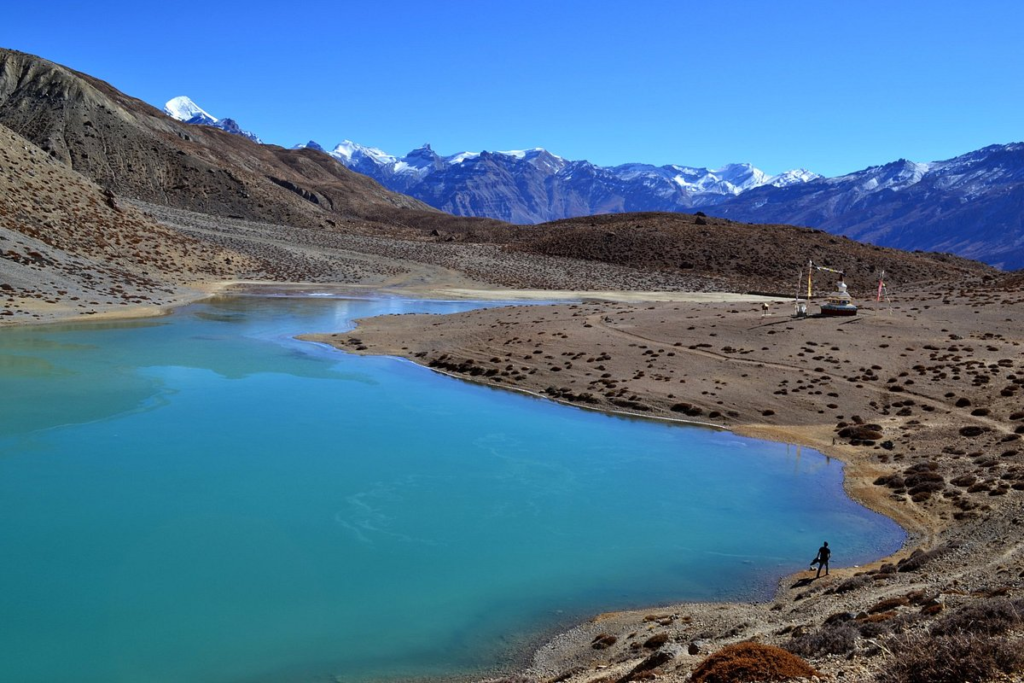
Dhankar, located dramatically above the Spiti River, is known for its monastery and breathtaking views. The nearby Dhankar Lake offers a rewarding hike for travelers who have acclimatized properly.
What Makes Spiti Special
Spiti’s biggest attraction is not a single monument but its overall character. The landscape combines barren mountains, turquoise rivers, blue skies, and scattered villages that appear almost unreal. The valley’s Buddhist heritage is equally important. Prayer flags, monasteries, stupas, and traditional homes create a distinctive cultural atmosphere.
The people of Spiti are another reason the region leaves a lasting impression. Local communities have adapted to an extreme environment through traditional farming, livestock rearing, handicrafts, and close-knit village life. Staying in a homestay can make your trip more meaningful because it allows you to experience local food, customs, stories, and hospitality.
Adventure and Activities
Spiti Valley is ideal for travelers who enjoy adventure without needing a highly commercial tourist environment. Road trips are among the most popular experiences, with every turn revealing a new mountain view. Trekking is another excellent option, especially around villages, monasteries, and high-altitude lakes.
Photography enthusiasts will find endless subjects, from rugged landscapes and monasteries to village streets and night skies. Spiti is also known for exceptionally clear views of the stars because of its high altitude and limited light pollution.
Wildlife enthusiasts may get opportunities to spot Himalayan species, including the elusive snow leopard during the appropriate season. However, wildlife sightings are never guaranteed and should always be approached with patience and respect.
Travel Tips for Spiti Valley
Altitude is one of the most important considerations when visiting Spiti. Do not underestimate the effects of thin air. Plan gradual ascents whenever possible, avoid strenuous activity immediately after reaching high altitudes, and pay attention to symptoms such as severe headache, dizziness, nausea, or unusual breathlessness. If symptoms become serious, seek medical assistance and move to a lower altitude.
Carry warm layers even during summer because temperatures can fall sharply after sunset. Sunscreen, sunglasses, a reusable water bottle, basic medicines, power banks, and comfortable shoes are also useful. Cash is recommended because digital payment services and ATMs may not always work reliably in remote areas.
Travel responsibly by avoiding plastic waste, respecting monasteries and local traditions, asking before photographing people, and choosing locally owned homestays or businesses when possible.
Where to Stay and Eat
Kaza offers the widest range of accommodation, from budget guesthouses to comfortable hotels and homestays. Smaller villages usually have simpler homestays, which can provide a more authentic experience. Booking ahead is helpful during the busy summer season, especially if you have a fixed itinerary.
Food in Spiti is generally simple, warm, and filling. Travelers can try local dishes such as thukpa, momos, tingmo, and traditional Tibetan-style meals. Because supplies are transported over difficult terrain, do not expect a large variety everywhere. Eating local food and supporting village kitchens can make the experience more rewarding.
Planning a Responsible Trip
A Spiti trip means understanding that infrastructure is limited. Fuel stations, medical facilities, internet connectivity, and public transport can be sparse outside Kaza. Download maps and information before leaving. Keep emergency contacts handy and inform someone about your plans. Most importantly, avoid treating villages as photo backdrops; interact respectfully and remember that Spiti is home, not simply attraction.
Conclusion
Spiti Valley is a destination for travelers who value landscapes, culture, solitude, and adventure over luxury and convenience. Its monasteries, villages, high mountain passes, clear skies, and resilient communities create an experience that stays with you long after the journey ends. Whether you arrive by the winding roads from Shimla or the dramatic route from Manali, Spiti rewards patience and preparation.
Plan your route carefully, respect the altitude, travel sustainably, and leave room for unexpected moments. In Spiti, the most memorable part of the journey may not be a famous attraction but a quiet village morning, a conversation with a local family, or a sunset over the mountains. That is the true magic of the Middle Land.