Introduction
Ladakh, widely known as the “Land of High Passes,” is one of the most fascinating regions of India. Located in the northernmost part of the country, it is renowned for its spectacular mountains, peaceful lakes, ancient monasteries, distinctive culture, and challenging landscapes. Surrounded by the Himalayan and Karakoram ranges, Ladakh presents a remarkable combination together of natural beauty and cultural richness. It is not only an attractive destination for travelers but also an interesting subject for understanding geography, history, religion, traditional lifestyles, and environmental issues.

Geographical Beauty of Ladakh
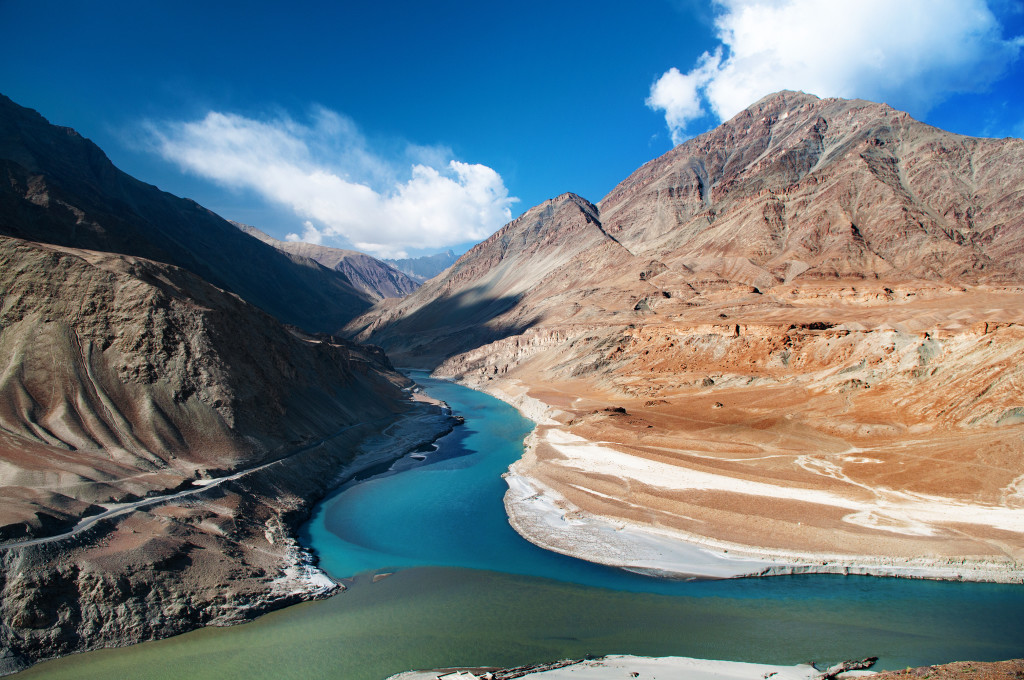
Ladakh is famous for its high mountains, deep valleys, rocky plains, and cold desert environment. Its high altitude gives the region a climate, with extremely cold winters and relatively mild summers. Unlike many other Himalayan regions, Ladakh receives limited rainfall because it lies in the rain shadow of the Himalayas. Consequently, much of its landscape is dry, rugged, and sparsely vegetated.
The region contains several lakes, including Pangong Lake, Tso Moriri, and Tso Kar. Pangong Lake is particularly famous for its changing shades of blue and mountain surroundings. The Indus and Zanskar rivers are also important geographical features. They provide water for settlements and agriculture and have historically supported communities living in this difficult environment.
Historical and Cultural Heritage
Ladakh has a long and fascinating history. Its strategic location between Central Asia, Tibet, and the Indian subcontinent made it an important route for trade and cultural exchange. Merchants once crossed the region carrying goods such as wool, spices, textiles, and precious stones. These interactions contributed to the development of Ladakh’s distinctive cultural identity.
Buddhism has deeply influenced Ladakhi society for centuries. Monasteries, or gompas, can be found across the region, often standing dramatically on hillsides or mountain slopes. Thiksey Monastery, Hemis Monastery, and Diskit Monastery are among the most well-known. They preserve ancient paintings, sculptures, manuscripts, and religious traditions. Monastic festivals feature masked dances, music, costumes, and ceremonies that provide valuable insight into the spiritual and cultural life of Ladakh.
Leh: The Heart of Ladakh
Leh is the main town of Ladakh and an important center for tourism and commerce. Most visitors begin their exploration from Leh before traveling toward valleys, monasteries, lakes, and mountain passes.
Leh Palace is one of the town’s major historical landmarks. Built centuries ago, the palace reflects the region’s royal heritage and offers impressive views of the surrounding landscape. The Shanti Stupa, situated above Leh, is another attraction. It provides a panoramic view of the town and mountains. Local markets offer handicrafts, woolen products, jewelry, and traditional foods.
Tourism and Adventure
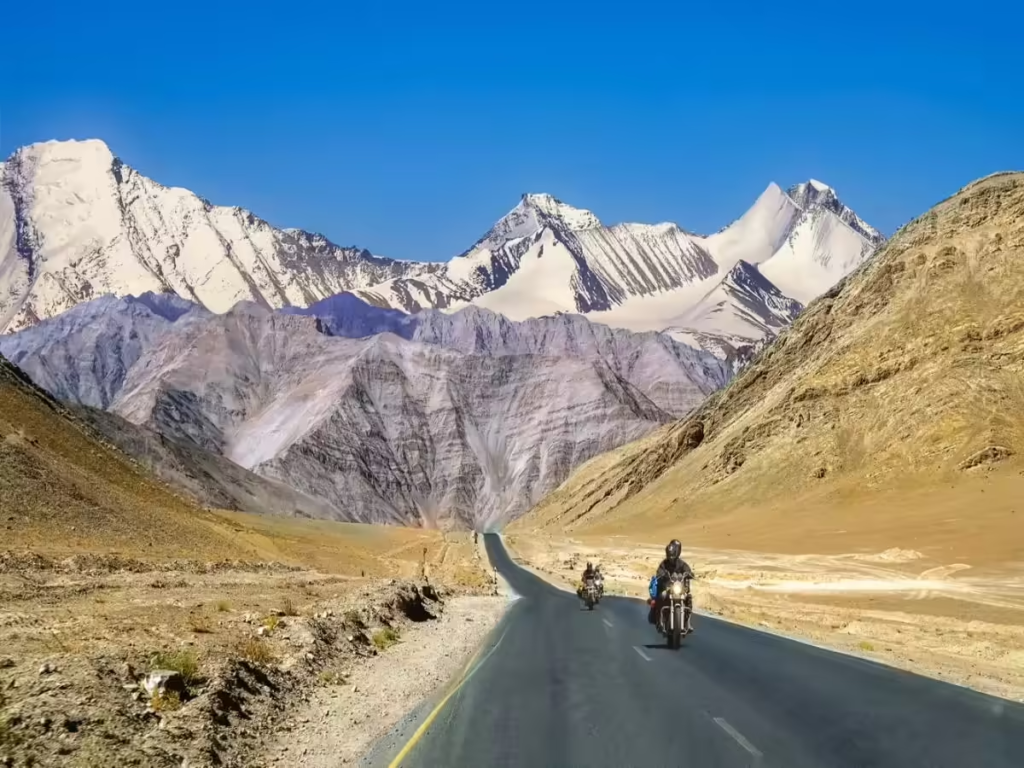
Tourism has become an important part of Ladakh’s economy. The region attracts visitors interested in sightseeing, photography, trekking, cycling, motorcycling, camping, and river rafting. Road journeys from Manali and Srinagar are especially popular because they pass through dramatic landscapes, remote settlements, and high mountain passes.
Trekking allows visitors to explore remote valleys and villages while experiencing the region’s natural environment closely. Cycling and motorcycling provide opportunities for adventure on challenging mountain roads. The Zanskar River is also known for rafting activities.
Ladakhi Food and Lifestyle
The cuisine of Ladakh reflects its cold climate and cultural connections with Tibet and neighboring Himalayan regions. Popular dishes include momos, thukpa, and skyu. Momos are steamed dumplings commonly filled with vegetables or other ingredients. Thukpa is a warm noodle soup that is especially comforting during cold weather. Skyu is a traditional dish prepared with wheat dough and vegetables. Butter tea is another distinctive beverage associated with Ladakhi culture.
Traditional Ladakhi lifestyles have been shaped by agriculture, animal husbandry, trade, and close village communities. Their homes, clothing, farming practices, and festivals demonstrate how people have adapted to the region’s harsh climate and limited resources. These traditions continue to reflect resilience, cooperation, simplicity, and deep respect for nature and community.
Environmental Challenges
Ladakh’s fragile environment faces growing pressure from tourism and modernization. The region has limited water resources and delicate mountain ecosystems. Increasing visitor numbers can contribute to plastic waste, traffic congestion, water shortages, and disturbance of natural areas.
Responsible tourism is therefore essential. Visitors should avoid littering, reduce plastic consumption, conserve water, respect wildlife, and follow local regulations. They should also behave respectfully inside monasteries and during cultural events.
Best Time to Visit Ladakh
The ideal time to visit Ladakh depends on the traveler’s interests. Summer is generally the most accessible season because many roads are open and weather conditions are comparatively favorable. It is suitable for sightseeing, road trips, trekking, photography, and visits to lakes and monasteries.
Winter presents a completely different experience. Temperatures become extremely low, many areas become quieter, and snow transforms the landscape. Winter travelers need appropriate clothing, careful planning, and awareness of high-altitude conditions.
Educational Importance of Ladakh
For college students, Ladakh offers an excellent opportunity for interdisciplinary learning. Its geography helps explain mountain ecosystems, climate, rivers, and high-altitude environments. Its history demonstrates how trade routes encouraged cultural interaction across regions. Studying Ladakh also provides insight into Buddhism and the development of local cultural identity.
Ladakh offers important lessons about sustainable tourism. Studying the region helps students understand how economic development can affect fragile ecosystems and traditional communities. It encourages responsible travel, conservation, and cultural respect.
Conclusion
Ladakh is much more than a beautiful tourist destination. It is a region where spectacular geography, rich history, Buddhist traditions, adventurous tourism, and distinctive lifestyles come together. Its mountains and lakes attract visitors, while its monasteries, festivals, and communities reveal a culture that has developed over many centuries.
At the same time, Ladakh highlights the importance of protecting fragile environments. Growing tourism can create opportunities for local communities, but it must be managed responsibly. Visitors have a role in conserving natural resources, respecting local traditions, and reducing waste.
For these reasons, Ladakh remains one of India’s most fascinating regions. It offers not only unforgettable scenery but also valuable lessons about nature, culture, history, mountains and sustainability. A journey through Ladakh can become more than a holiday; it can be an educational experience that encourages cultural appreciation and environmental responsibility.